What is an LPN?
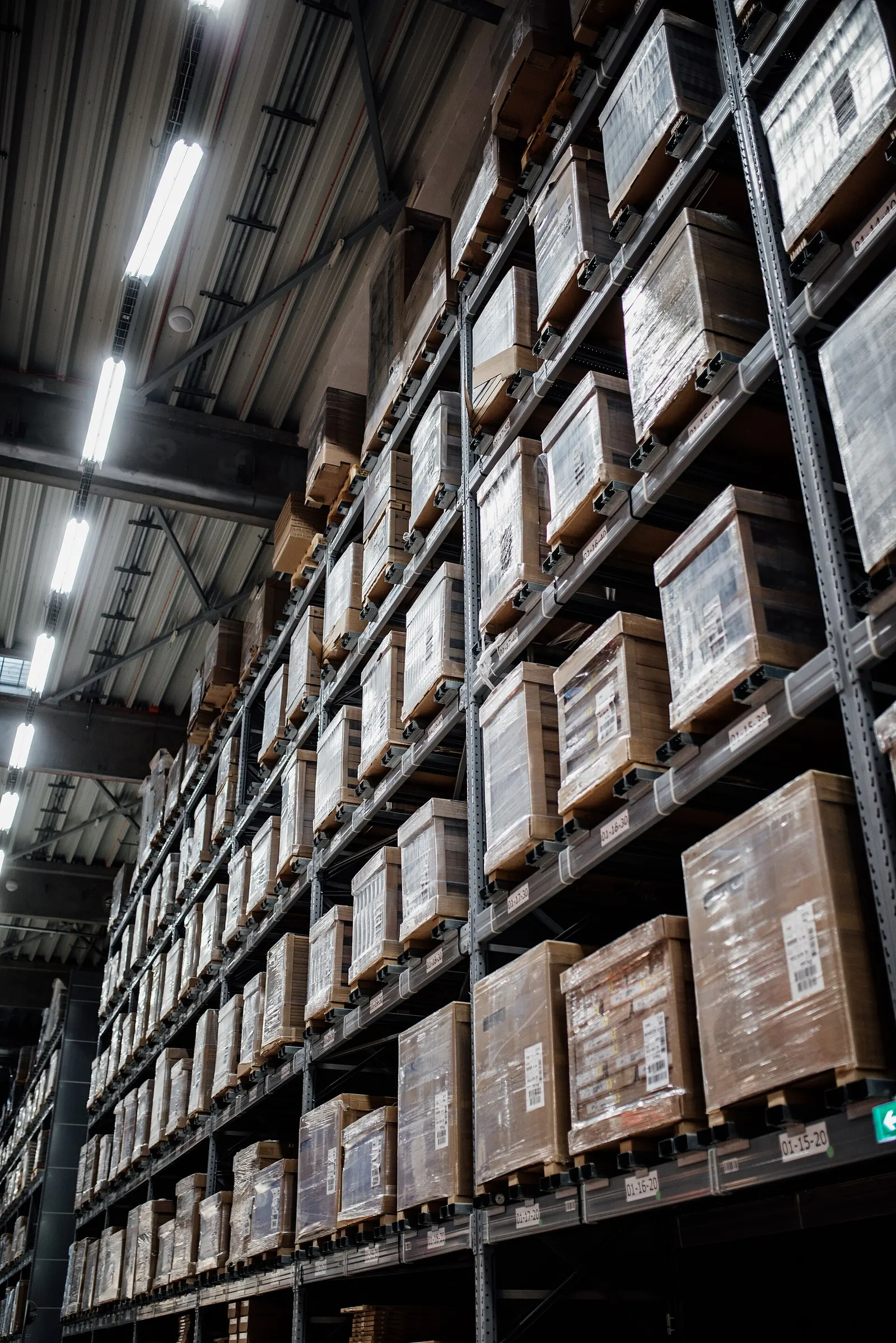
In a warehouse, a license plate number (LPN) is a unique ID stuck on a container, whether a pallet, carton or tote, so the warehouse management system (WMS) can track the container and everything in it with one scan. Instead of scanning 40 cartons on a pallet, staff scan the pallet's LPN and the system knows what's on it and where it is.
You'll also see LPNs on returned and liquidation items, especially from Amazon, where each returned unit gets an LPN (usually starting with "LPN") to track it through inspection and resale.
How to make LPN barcodes
- Check your WMS for its LPN format (prefix, length, letters or digits). If you're setting one up, a prefix and a fixed-length number like
LPN0000001is common. - Click Make a number sequence and enter the prefix, start number (continue from your last used one), count and number of digits.
- Keep the type on Code 128. It's what most WMS systems use for LPNs.
- Download the ZIP, or press Print on label sheets and choose the 4" × 6" thermal size for pallet labels.
LPN or SSCC?
An LPN is your own internal number and only needs to be unique in your warehouse. An SSCC is the GS1 standard for the same idea: an 18-digit number built from your GS1 company prefix, unique worldwide, and readable by your customers' systems. If a retailer asks for SSCC pallet labels with advance shipping notices, use the GS1-128 generator with AI (00).
Good practice
- Never reuse an LPN while the old one could still be in the system.
- Use large bars (0.5 mm or wider) on pallet labels so they scan from a forklift.
- Put labels on two adjacent sides of a pallet, so one is always visible.